I Eat Bread and Dairy – And It’s a Healthy Choice
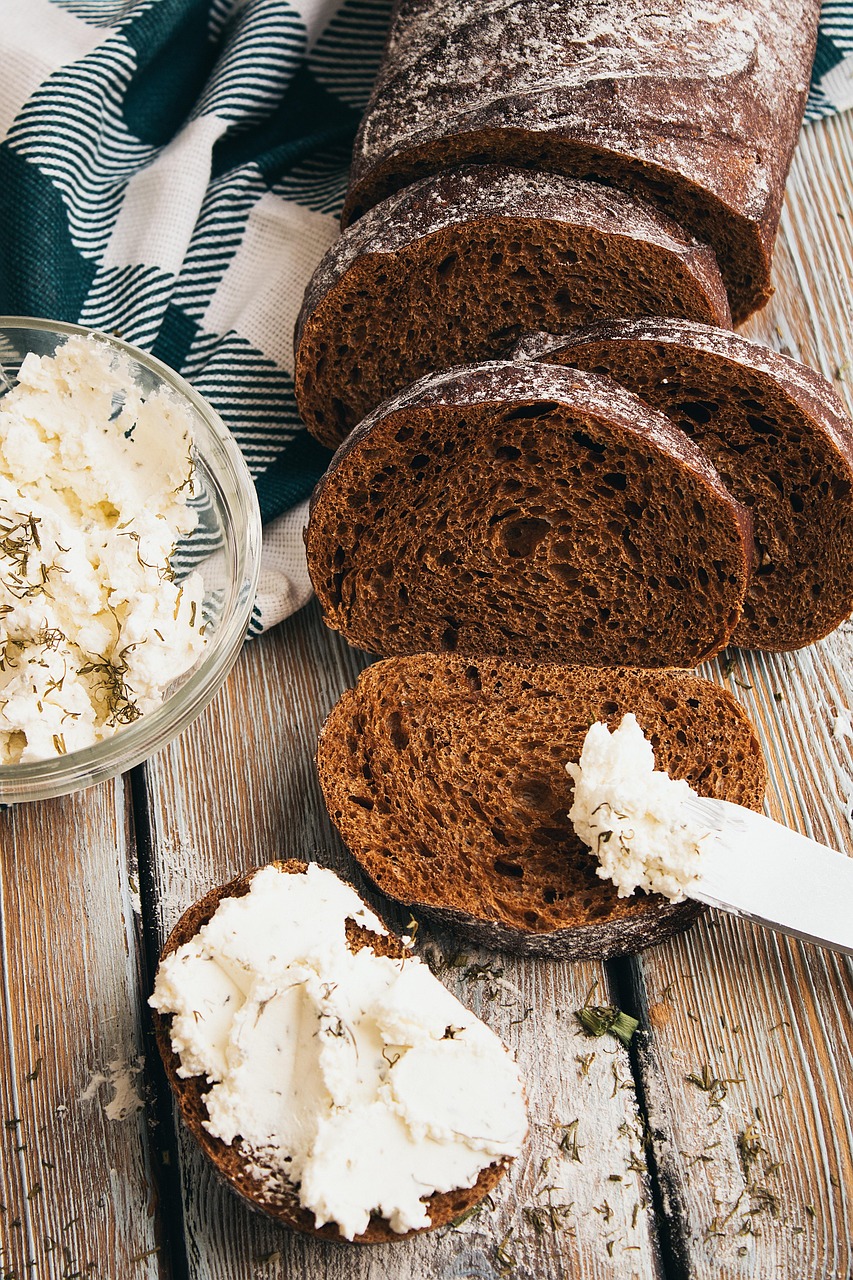
Let’s get this out of the way: I eat bread. I eat dairy. And I consider both to be healthy choices. Not in spite of what I know about nutrition, inflammation, or gut health—but because of it.
We’ve been sold a story that’s left people confused and unnecessarily restrictive. Bread and dairy have become scapegoats in modern nutrition discourse, often painted as villains responsible for everything from bloating to brain fog. But is that the whole story?
The Problem Isn’t the Food – It’s the Narrative
The blanket claims that “bread is bad” or “dairy is inflammatory” don’t hold up under scientific scrutiny. These claims often rely on anecdotal experience, oversimplified biology, or outdated research. Worse, they disregard the context in which food is eaten and the crucial role of our microbiome—the trillions of bacteria, yeasts, and other microbes that live in our gut and influence everything from digestion to mood.
So, let’s unpack the real story behind these foods.
Dairy Isn’t the Enemy
We’ve all heard it: “Dairy is inflammatory.” This idea has become so widespread it’s often repeated without question. But when we turn to clinical research instead of social media soundbites, the picture changes.
A 2017 systematic review of 52 human clinical trials concluded that dairy generally has anti-inflammatory effects, especially in people with metabolic disorders. Inflammation was only triggered in those who were allergic to cow’s milk—a very different situation than general dairy intolerance.

A 2019 systematic review further confirms that most studies show either no effect or reductions in inflammatory markers—with many pointing to beneficial outcomes.
What’s even more fascinating? Both low-fat and full-fat dairy showed benefits. And fermented dairy—like yogurt and kefir—offered even more gut-friendly effects thanks to their probiotic content.
Now, if someone has a clear lactose intolerance or casein sensitivity, avoiding dairy can make sense for them. But that doesn’t mean everyone should avoid it. Blanket restrictions overlook individual differences—and the powerful role our gut microbes play in how we respond to food.
Bread: Ancient, Delicious, and Nutritionally Valuable
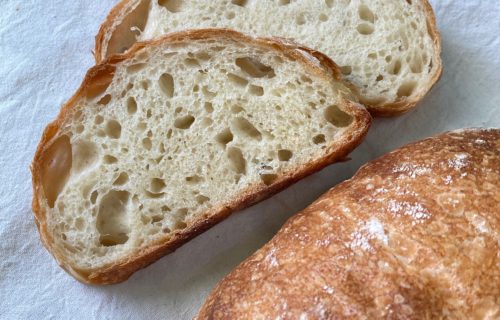
Bread has become another target in the nutrition world, especially among low-carb, Paleo, and “clean eating” communities. But when someone tells you to “cut bread to be healthy,” you have to ask: What kind of bread are we talking about?
There’s a world of difference between:
Ultra-processed, white sandwich bread made with refined flours, additives, and preservatives
Versus slow-fermented sourdough made with whole grains, wild yeasts, and rich prebiotic fibers
The truth? Many breads—especially sourdough and whole grain varieties—can support healthy blood sugar levels, feed beneficial gut bacteria, and provide essential nutrients like B vitamins, iron, and magnesium.
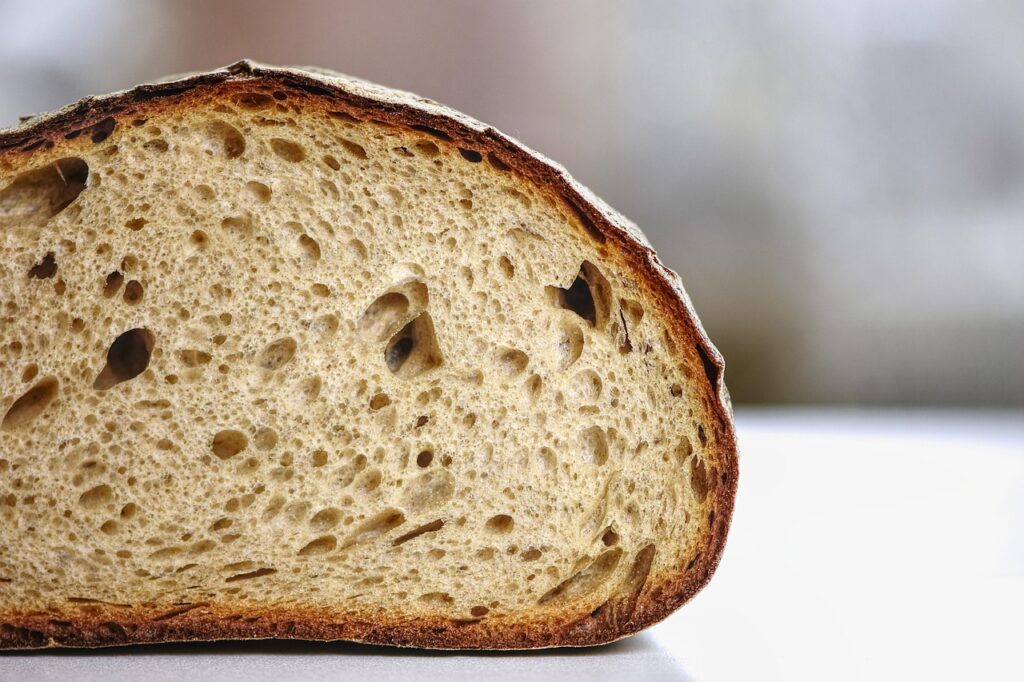
A study found that sourdough bread had a significantly lower post-meal glycemic response compared to yeast-leavened bread (GI around 48.7 vs. 56.7–65.0).
We also know that gluten, the protein in wheat, is often unfairly demonized. In people without celiac disease or non-celiac gluten sensitivity, gluten is no harder to digest than any other protein. In fact, certain gut bacteria can help break it down and even thrive on its byproducts. If you lack those microbes, gluten might feel problematic—not because gluten is “bad,” but because your gut community needs support.
It’s Not About Food Fear – It’s About Food Fit
Some people truly thrive without dairy or bread in their diets. Others feel better including them. The key isn’t whether these foods are good or bad—but whether they’re a good fit for your body right now.
And the biggest influence on whether bread or dairy “works” for you?
Your gut microbiome.
People with a healthy population of lactose-digesting microbes often tolerate dairy just fine—even if they were once sensitive.
Those with good levels of fiber-digesting microbes may find that sourdough bread feels energizing, not bloating.
So instead of removing foods reflexively, what if we looked at ways to improve our gut environment? Wouldn’t that make more sense—and lead to more lasting health?
The Joy of Eating Matters Too
There’s something else worth saying: bread and dairy bring joy. The smell of freshly baked bread, the creamy tang of good cheese, the comfort of warm milk or yogurt—these aren’t just “calories” or “macros.” They’re part of our cultural and emotional connection to food.
Denying yourself the pleasure of eating food you love—when your body can tolerate it—often leads to more harm than good. Restriction can worsen your relationship with food, cause unnecessary stress, and even damage your microbiome (yes, diversity in your diet leads to diversity in your gut).
In Summary
Dairy is not inherently inflammatory. Clinical studies show it can reduce inflammation in many people.
Bread is not the enemy. Quality and context matter—sourdough and whole grain varieties are nutrient-rich and microbiome-supportive.
Your microbiome matters. How you respond to food depends on the health and diversity of your gut bacteria.
Joy and satisfaction are part of a healthy diet. Eating foods that nourish both body and soul is essential.
Let’s stop fighting food. Let’s start understanding it better—through science, through our own experience, and by supporting the gut microbes that help us thrive.
So yes, I eat bread and dairy.
And for me—and many others—that’s a radical act of health.
References
2017 review: Dairy (low-, high-fat, fermented) shows anti-inflammatory effects unless allergic. dairynutrition.caPubMed
2019 RCT review: Most studies show neutral or beneficial inflammation effects. dairynutrition.caPubMed
Sourdough GI significantly lower (48.7 vs 56.7–65). MDPI
Reviews (2023, etc.): Sourdough easier to digest, better glycemic control, better nutrient absorption.